


Lincoln Lease Versus Purchase: Which Fits You?
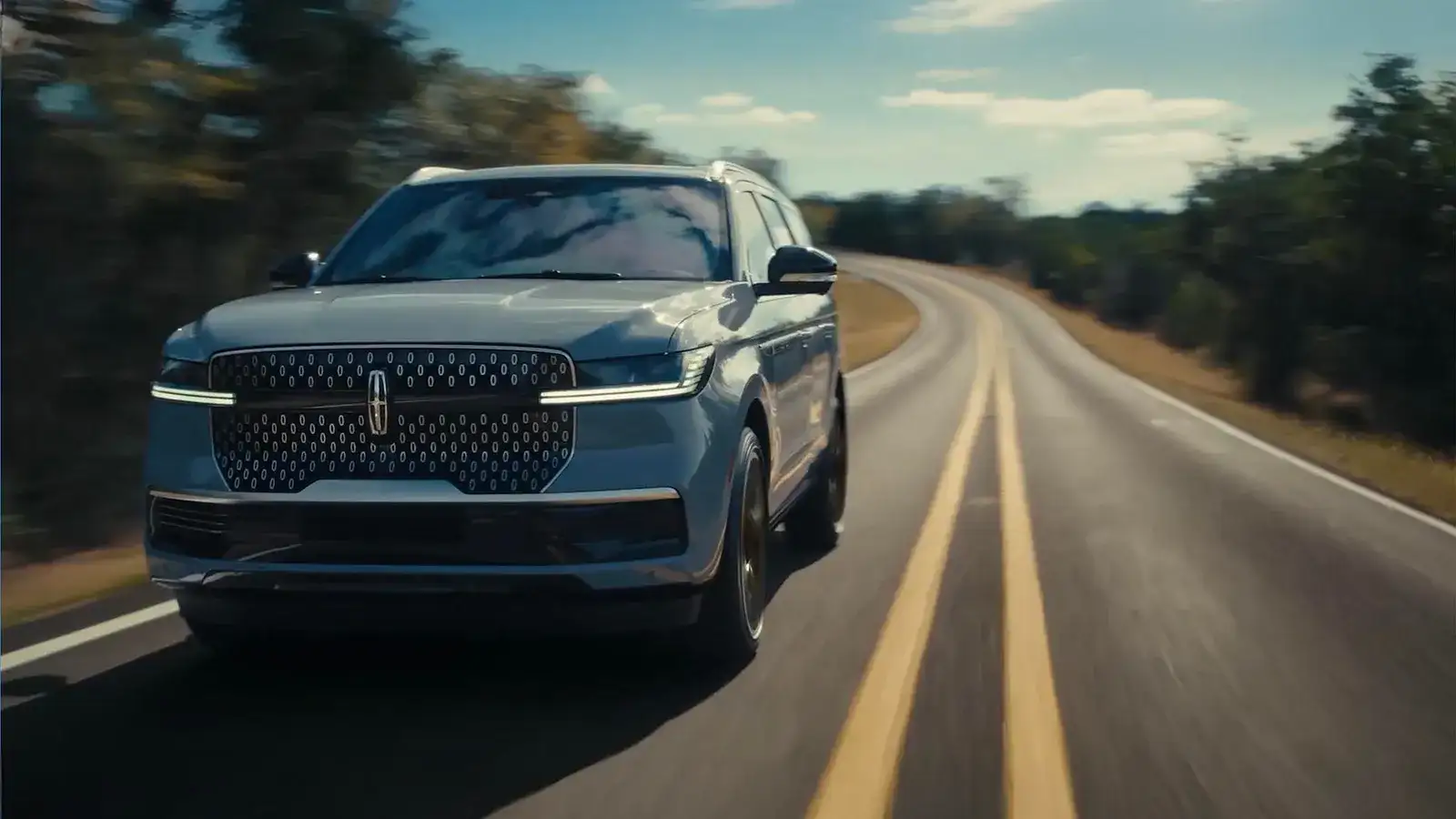
A Lincoln should suit the way you actually live, not just the way it looks in the driveway. For a Palm Springs weekend, school pickup in La Quinta, or a long desert drive toward the coast, the Lincoln lease versus purchase decision affects your monthly commitment, vehicle choices, and what happens when your needs change.
There is no universal winner. Leasing can keep you in a newer Lincoln more often with a defined term and mileage allowance. Purchasing can give you the freedom to drive as much as you wish, customize your vehicle within reason, and build equity over time. The better route depends on how long you plan to keep your SUV, how many miles you drive, and how much you value having the latest design and technology.
Lincoln Lease Versus Purchase at a Glance
A lease is a long-term use agreement. Rather than paying toward the full vehicle value, your payments generally reflect the portion of the vehicle used during the lease term, plus applicable finance charges, taxes, and fees. At the end, you typically return the vehicle, purchase it for the stated end-of-lease amount, or move into another Lincoln.
A purchase means you finance or pay for the vehicle and become its owner. Once any financing is paid off, you own the SUV outright. You can keep it, trade it, sell it privately, or pass it along to a family member when the time is right.
The simplest way to frame the choice is this: leasing prioritizes planned flexibility, while purchasing prioritizes long-term control. Both can be smart ways to enjoy a Corsair, Nautilus, Aviator, or Navigator.
When Leasing a Lincoln Makes Sense
Leasing is often appealing to drivers who prefer a fresh vehicle experience every few years. Lincoln updates technology, cabin design, driver-assistance features, and available powertrains regularly. If having current features matters to you, a lease creates a clear path to your next vehicle without requiring you to manage trade-in value at the end of every ownership cycle.
It can also work well for drivers with consistent, predictable mileage. A Coachella Valley household that mostly drives locally between Palm Desert, Rancho Mirage, and Cathedral City may find it easy to choose a mileage allowance that matches everyday routines. Before signing, be realistic about airport runs, family road trips, and commuting. Extra miles can be charged at lease end, so guessing low just to reduce a payment can become expensive later.
A lease may be especially attractive if you want to enjoy a higher trim level or Black Label experience while keeping your financial commitment focused on the years you will use the vehicle. The refined materials, distinctive design themes, and elevated ownership experience can be part of the appeal, particularly for buyers who like the idea of changing vehicles before the long-term ownership phase begins.
Leasing also offers a degree of planning certainty. You know the term, the mileage limit, and the date when you can reassess your needs. For a seasonal resident, a professional whose vehicle needs may change, or a household expecting a different lifestyle in a few years, that structure can feel reassuring.
Understand wear, mileage, and customization
A leased Lincoln must be returned in condition consistent with the lease agreement. Normal use is expected, but excess wear may result in charges. Desert driving can make this worth discussing upfront. Windblown sand, wheel scuffs, windshield chips, and intense sun exposure are easier to manage when you protect the vehicle throughout the term and address small issues promptly.
Leases are also not ideal for major customization. Accessories and reversible protection products may be possible, but permanent changes can complicate the return process. If you want to extensively personalize your SUV or use it in ways that create heavier wear, ownership is usually the more comfortable choice.
When Purchasing a Lincoln Is the Better Fit
Buying is often the stronger option for drivers who plan to keep their Lincoln for many years. The longer you retain a vehicle after financing is complete, the more you can benefit from having no monthly vehicle payment. You also avoid mileage limits, which matters for frequent trips from the desert to Los Angeles, San Diego, or Northern California.
Ownership gives you control over the vehicle’s future value. Its resale or trade-in value will depend on age, condition, mileage, service history, market demand, and other factors, but it remains your asset. If your vehicle holds more value than the amount you owe, that equity can support your next purchase.
Purchasing is also a natural fit for drivers who prefer to tailor their SUV around their lives. Perhaps you need cargo accessories for golf equipment, carry a growing family, or simply want the freedom to keep a well-maintained Navigator for as long as it continues to serve you beautifully. You are not working against a lease-end date or mileage ceiling.
For many buyers, the most satisfying ownership experience comes from choosing the right vehicle at the beginning. The compact Corsair can suit a couple or a daily commuter who wants premium comfort in an easy-to-park footprint. The Nautilus offers a more spacious two-row experience, while Aviator and Navigator shoppers may prioritize third-row seating, towing capability, and room for larger families. If you expect those needs to remain steady, purchasing can make a great deal of sense.
Consider certified pre-owned ownership
A certified pre-owned Lincoln can be a thoughtful middle ground for buyers who want ownership without necessarily choosing a brand-new vehicle. These vehicles are carefully selected and tested under program standards, and they can offer a compelling route to premium materials, comfort, and technology.
This path is particularly worth considering when you intend to keep the vehicle. A certified pre-owned model may allow you to focus on long-term ownership goals while still benefiting from a vehicle with a documented inspection process and available coverage options. Ask about the specific history, certification details, and maintenance records for any vehicle you are considering.
Questions That Make the Decision Clearer
Start with your ownership horizon. If you like replacing your vehicle every few years, leasing may align naturally. If you see yourself driving the same Lincoln well beyond the finance term, buying is usually more compelling.
Then look at mileage honestly. Include your normal routines as well as the trips that happen only a few times a year. A driver who routinely travels across Southern California may be better served by purchase, even if leasing initially seems attractive. Conversely, a low-mileage driver with a predictable schedule may enjoy the convenience of leasing.
Next, think about what you want at the end. Do you want an easy transition into another new Lincoln? A lease offers that possibility. Do you want the option to keep a vehicle you know well, with service records you trust and no need to start over? Purchase provides that freedom.
Finally, consider your comfort with changing market values. When you lease, the end-of-term vehicle value is largely built into the agreement. When you buy, the vehicle’s eventual trade-in or resale value is part of your ownership picture. Neither approach is inherently better, but they place different responsibilities on you.
Talk Through the Numbers, Not Just the Payment
A low monthly payment alone should never decide the question. Compare the full lease or finance structure, including the term, expected mileage, amount due at signing, applicable fees, and end-of-term options. If you are financing, ask how different term lengths affect both the payment and the total amount financed over time.
It is also wise to discuss protection plans, maintenance needs, and insurance requirements in the context of how you drive. Factory-trained service and consistent maintenance protect the experience of owning or leasing a luxury SUV, but the right plan should fit your individual situation rather than follow a one-size-fits-all script.
A clear conversation with a finance professional can help you compare options side by side without pressure. Bring your current vehicle details if you have a trade-in, estimate your annual mileage, and be open about whether your priority is flexibility, ownership, or a balance of both.
The best next step is to sit in the Lincoln that fits your life, take a VIP test drive, and ask for both lease and purchase scenarios based on your driving habits. At Palm Springs Lincoln, the goal is to make that choice feel clear and personal, whether your next chapter calls for a new Lincoln, a certified pre-owned model, or a little more time to decide.
Frequently Asked Questions
How many miles should I plan for on a Lincoln lease in the Coachella Valley?
Start with your normal week, then add the trips that only happen a few times a year, such as drives to Los Angeles, San Diego, or the airport. Seasonal residents should count the months away if the vehicle travels with them. Choosing a realistic allowance up front is usually wiser than paying excess mileage charges at turn-in. Palm Springs Lincoln can model several mileage options.
Does desert sun count as excess wear on a leased Lincoln?
Normal wear is expected, but damage beyond the standards in your lease agreement can lead to charges at turn-in. In the desert, that can include windshield chips, curb-scuffed wheels, or sun-damaged interior surfaces. Shaded parking, a windshield sunshade, and prompt repairs help. Ask the Palm Springs Lincoln team to explain the turn-in standards before you sign.
Can I trade in a leased Lincoln before the term ends?
Often yes, but the numbers depend on your lease payoff amount compared with the vehicle’s current value. If the vehicle is worth more than the payoff, that difference may help with your next Lincoln. If it is worth less, the gap still has to be covered. Palm Springs Lincoln can request the payoff and appraise your vehicle so you can compare options clearly.
Is a certified pre-owned Lincoln a good alternative to leasing?
For some shoppers, yes. A certified pre-owned Lincoln lets you own a vehicle that has passed a program inspection and carries certified coverage, without lease mileage limits or turn-in standards. It suits drivers who plan to keep a vehicle for several years. Compare the total cost of each path with the Palm Springs Lincoln finance team before deciding.
0 comment(s) so far on Lincoln Lease Versus Purchase: Which Fits You?